The Biggest Challenges Industrial Plant Relocation Services Face When Moving Heavy Equipment
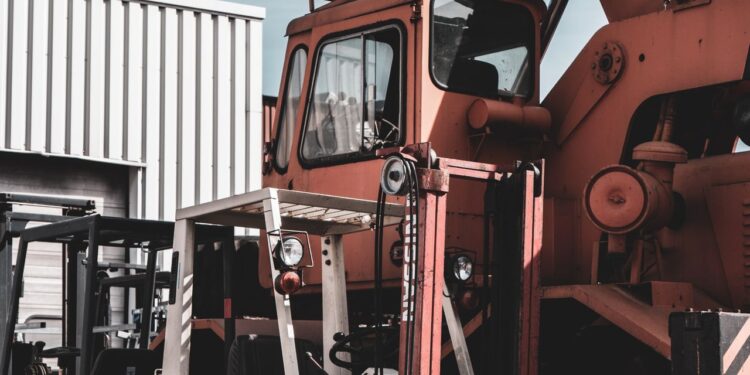
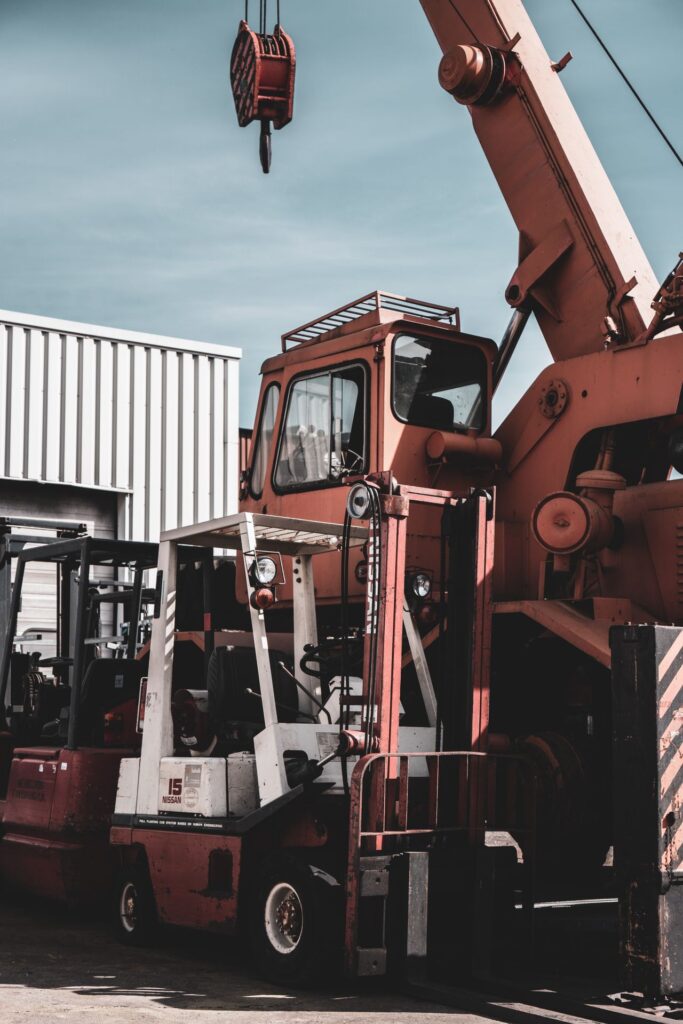
Moving heavy industrial machinery is rarely a matter of simply lifting equipment onto a truck and transporting it to another building. Large machines may weigh several tonnes, occupy awkward footprints and depend on precise utilities, foundations and production layouts that cannot simply be recreated by eye. This is where industrial plant relocation services become important, because a successful move depends on combining engineering knowledge, lifting expertise, transport planning and careful coordination across both the old and new sites. The physical movement of the machinery is only one stage of a much larger process, and many of the biggest risks appear before the first piece of equipment is ever disconnected.
One of the first challenges is understanding exactly what is being moved. Industrial sites can contain machinery installed over decades, sometimes with limited documentation or with modifications that were never reflected in original drawings. A machine may appear straightforward from the outside while concealing pipework, electrical connections, cooling systems, compressed air lines or integrated controls that must all be identified before dismantling begins. If these connections are missed or recorded poorly, problems may not appear until reinstallation, when production teams discover that essential services cannot be reconnected as expected.
Size and Weight Are Only the Beginning
Heavy machinery creates obvious lifting challenges, but total weight alone does not determine how difficult a move will be. The centre of gravity, lifting points, overall dimensions and structural rigidity of the equipment can all affect how it must be handled. A long but relatively light machine may be more awkward to move than a compact unit weighing several times as much because it can flex, twist or become unstable during lifting.
Some equipment is designed with dedicated lifting points, while older or highly specialised machinery may not be. In those cases, relocation teams may need to design temporary frames, spreader beams or lifting arrangements that distribute loads safely. The floor beneath the equipment also needs consideration. A heavy machine that has remained stationary for years may be sitting on a reinforced foundation that can easily support it, but the route to the exit may pass over areas with lower load capacity.
Doorways, mezzanines, columns and low ceilings can create further complications. Machinery may have been assembled inside the building originally and may now be too large to leave in one piece. That can require partial dismantling, temporary structural alterations or the use of alternative access points.
The destination site presents the same issues in reverse. It is not enough to remove a machine successfully from its old position; the relocation team also has to confirm that it can be brought into the new building and placed exactly where it needs to go.
Access Can Become the Real Limiting Factor
Factories are rarely designed with future relocation projects in mind. Production equipment may be positioned close to walls, surrounded by other machinery or installed in parts of the site that offer limited access for cranes and forklifts.
This can make route planning one of the most important parts of the project. Teams need to establish how each item will travel from its operating position to the loading area and then from the delivery point to its final location at the new site.
Sometimes the route requires temporary removal of doors, barriers or sections of fencing. In more complex projects, roof panels or wall sections may need to be opened so that machinery can be lifted directly out of the building.
External access can be equally difficult. Crane positioning requires suitable ground conditions and adequate working space, while delivery vehicles need turning areas and routes capable of handling their dimensions and weight. Overhead cables, bridges, narrow roads and site restrictions can all affect the transport plan.
The mistake is assuming that because equipment can physically fit through an opening, it can be moved through it safely. Adequate clearance is needed for lifting equipment, personnel and controlled movement. A few centimetres can make the difference between a straightforward move and a major redesign of the handling plan.
Dismantling Without Losing Information
Disassembly often creates one of the greatest risks to the eventual restart. Complex machines may contain hundreds of electrical, hydraulic, pneumatic and mechanical connections, and every one of them needs to be identified correctly.
Simply removing components and relying on memory is rarely acceptable. Good relocation planning involves systematic labelling, photography, drawings and records showing how the machine was configured before dismantling.
This documentation becomes invaluable at the destination. Connections that appear obvious during removal may be much harder to understand several days or weeks later, particularly if multiple machines are being moved simultaneously.
Sensitive components may also require special handling. Control panels, sensors, precision tooling and electronic equipment can be damaged by vibration, moisture or contamination during transport. These components may need separate packaging or environmental protection rather than being moved with the main machinery.
Where possible, teams may also document alignment measurements and operating settings before dismantling. This gives engineers useful reference points when rebuilding and commissioning the equipment later.
Transport Introduces an Entirely Different Set of Risks
Once machinery leaves the factory floor, the relocation becomes a logistics project as well as an engineering one. Large industrial equipment may require specialist trailers, escort vehicles or permits depending on dimensions and weight.
Route planning therefore has to happen well before transport begins. Bridges may have weight restrictions, roads may have height limits and urban routes may contain turns that oversized vehicles cannot negotiate.
Even when equipment fits within normal transport limits, it still needs to be secured correctly. Industrial machinery often contains moving assemblies that were never designed to withstand road vibration or sudden movement. These parts may need to be locked, braced or removed before transport.
Weather can also matter. Rain and moisture can damage exposed electrical components, while temperature changes may affect certain materials or precision systems. Protective wrapping, covers and sealed packaging can therefore be part of the transport plan.
The safest route is not always the shortest one. A longer journey using wider roads and fewer restrictions may reduce risk significantly compared with a more direct but complicated route.
Downtime Creates Pressure on Every Decision
In many relocation projects, the machinery being moved generates revenue every hour it operates. This creates strong pressure to minimise the time between shutdown at the old facility and restart at the new one.
That pressure can make sequencing especially important. Machines cannot simply be moved in whichever order is most convenient. Some equipment may depend on other machinery, shared utilities or production processes.
A relocation schedule therefore often works backwards from the required restart date. Teams identify which machines must be operational first, which can be moved later and which preparation work can be completed before production stops.
The new facility can often be prepared while the old site is still operating. Foundations can be constructed, electrical services installed and access routes cleared in advance. This reduces the amount of work that has to happen after machinery arrives.
A phased move can also help. Instead of shutting an entire facility at once, businesses may relocate production lines in stages, allowing part of the operation to continue.
However, reducing downtime should never mean rushing lifting or installation work. A poorly planned shortcut can create far more downtime if equipment is damaged or installed incorrectly.
Reinstallation Demands Precision
Getting a machine into the new building is not the end of the job. Many industrial systems require very accurate positioning, levelling and alignment before they can operate correctly.
Even small installation errors can affect performance. Rotating equipment may suffer vibration, production machines may produce inconsistent output and connected systems may fail to line up correctly.
Foundations therefore need to be checked carefully. Anchor bolts, grouting, floor levels and structural capacity must all match the requirements of the equipment.
Utilities also have to be restored. Electrical power, compressed air, water, extraction, data connections and other services may all be needed before commissioning can begin.
This stage often requires collaboration between relocation specialists, electricians, mechanical engineers and the machine manufacturer or maintenance team.
The process should be treated as installation rather than simply placement. A machine sitting in approximately the right position may still be far from operational.
Testing Is Part of the Move
One of the most important differences between transporting machinery and relocating a functioning plant is commissioning. The goal is not simply to deliver equipment intact; it is to restore production.
Testing should therefore be planned from the beginning. Engineers may first perform mechanical and electrical checks before introducing power. Individual components can then be tested progressively before the machine is run under normal production conditions.
This staged approach can help identify problems without exposing the entire system to unnecessary risk.
Baseline information collected before the move can be extremely useful. If vibration levels, tolerances or production outputs were recorded before dismantling, they provide a reference for determining whether the relocated machine is performing as expected.
Operators should also be involved. They often recognise subtle changes in sound, vibration or behaviour that may not immediately appear in formal testing.
The final commissioning stage should confirm that the equipment is not only operational but capable of performing reliably at the level required for production.
Coordination May Be the Hardest Challenge of All
Industrial relocation projects usually involve numerous parties: plant managers, engineers, rigging crews, transport companies, electricians, structural contractors, equipment manufacturers and health and safety personnel.
Each group may understand its own responsibilities perfectly while still creating problems if the overall sequence is poorly coordinated.
For example, a transport vehicle arriving before the crane is ready can create delays and additional costs. A machine delivered before its foundation has cured may have nowhere to go. Electrical teams can lose valuable time if they arrive before the equipment has been positioned.
Strong project management therefore becomes just as important as technical skill. Everyone needs access to an accurate schedule and a clear understanding of dependencies.
Changes also have to be communicated quickly. Industrial moves rarely proceed without surprises, so the project plan needs enough flexibility to adapt without losing control of the overall timeline.
Ultimately, the greatest challenge in moving industrial equipment is that every stage is connected. A mistake during documentation can delay reassembly. Poor route planning can prevent delivery. Incorrect positioning can make utility connections impossible, while rushed commissioning can create reliability problems long after the relocation team has left.
Successful plant moves therefore depend on treating relocation as one continuous engineering project rather han a series of unrelated lifting and transport tasks. The machinery must be understood before it is disconnected, protected while it is moved, positioned accurately when it arrives and tested thoroughly before being returned to service.
Heavy equipment may be the most visible part of an industrial relocation, but planning is what keeps the project moving. When access, lifting, transport, installation and commissioning are considered together from the outset, even highly complex machinery can be relocated with less disruption and a far clearer route back to full production.